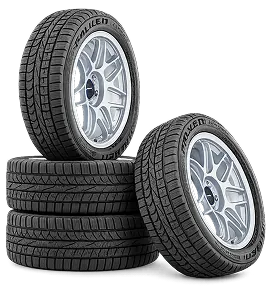
Winter tires, also known as snow tires, are built with a high-silica “Flex-Ice” compound designed to stay soft and pliable in sub-zero temperatures. This specialized chemistry allows the tread to wrap around road imperfections and grip icy surfaces that would leave other tires spinning.
Winter tire technology has reached a new pinnacle of safety. We now see the widespread adoption of “Ice Grip” certification, a new standard that goes beyond the traditional snowflake symbol to verify elite braking performance on pure ice. At Best Wheels Online, you can explore top-rated options and buy tires online that are designed to handle the toughest winter conditions.
Shop Winter Tires By Driving Style
Winter tires are built for one purpose—maximum safety and control in cold, snowy, and icy conditions.
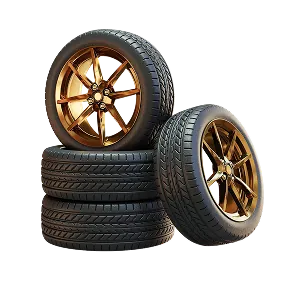
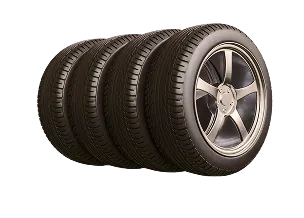
Non-Studded Ice Tires
Designed for the driver who navigates ploughed city streets and icy highways. These use "Micro-Pump" technology to suck water off the ice surface for a dry-road feel.
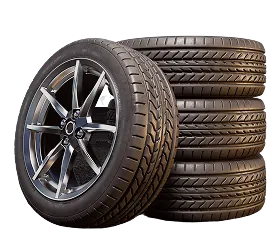
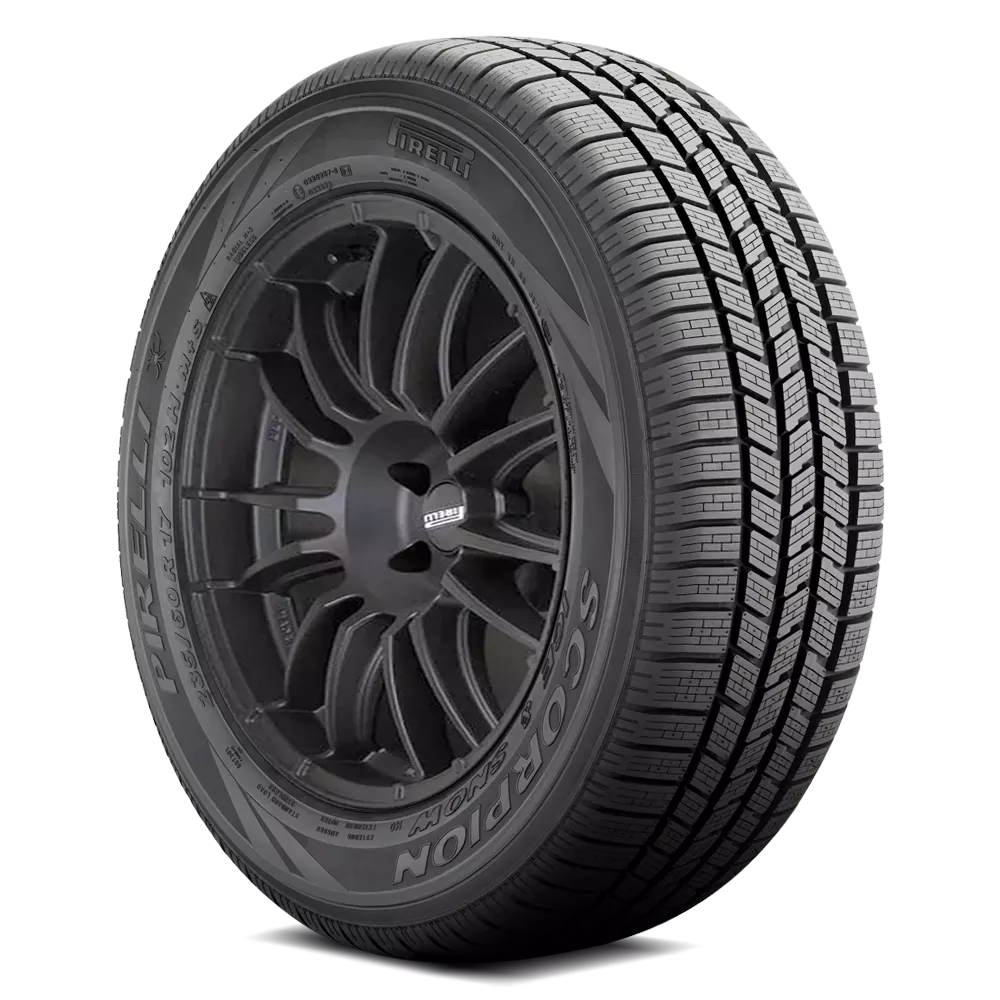
Alpine Series
For sports cars and luxury sedans that need to maintain high-speed stability and sharp steering on cold, dry asphalt while still handling occasional slush.
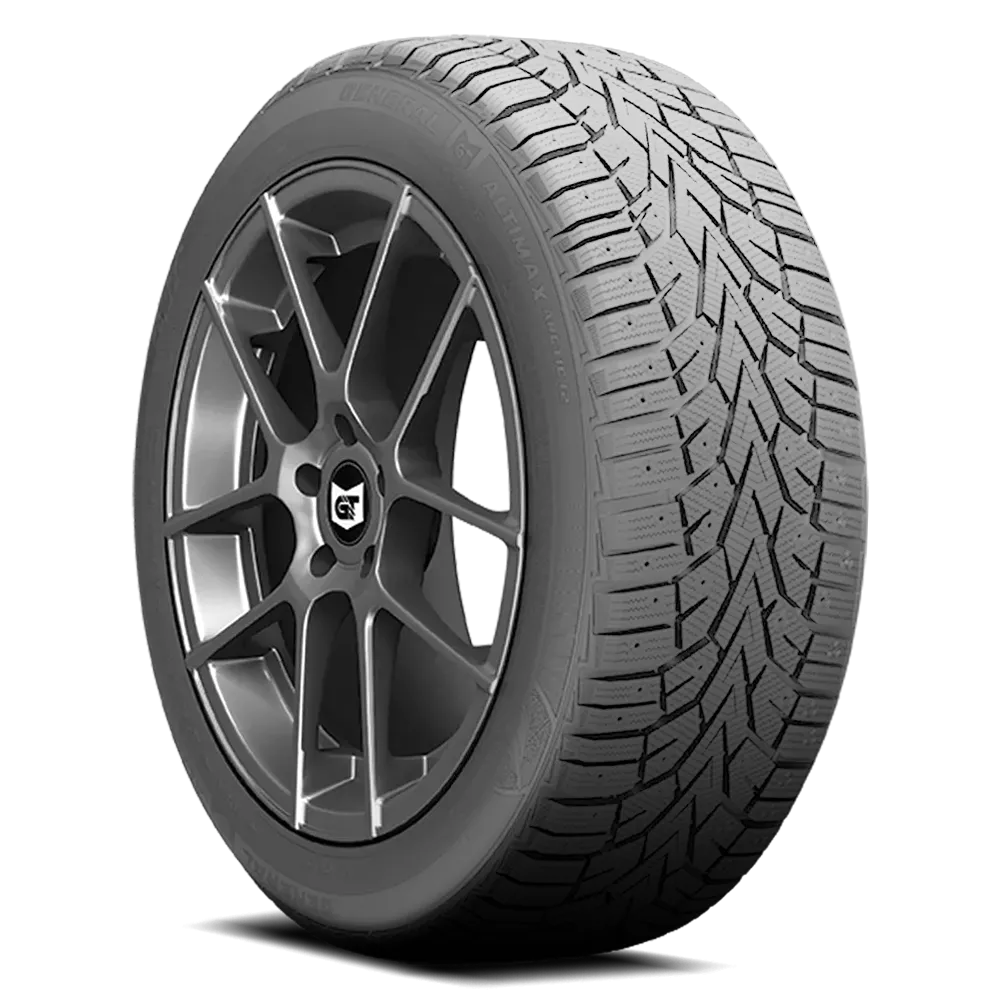
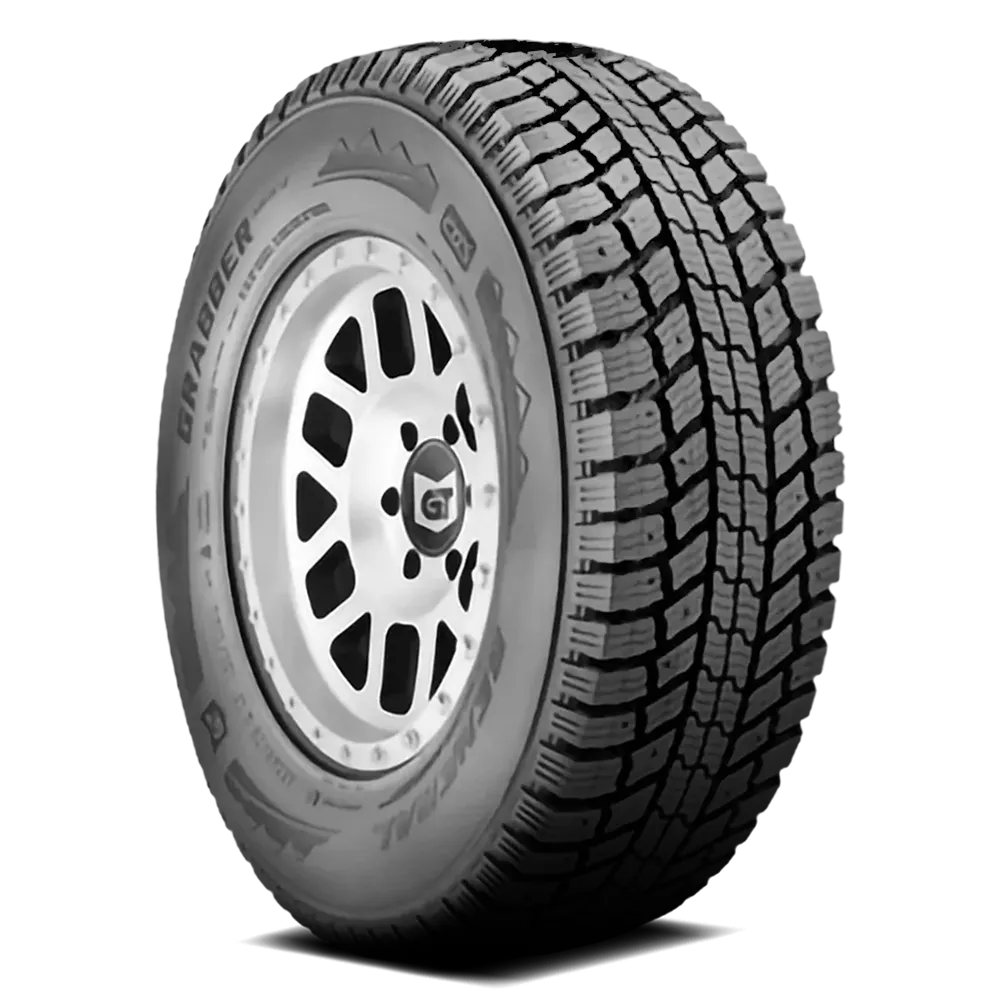
Studded/Deep Snow
When you live in "unplowed" territory, these tires feature aggressive "Saw-Tooth" edges and optional metal studs to claw through packed snow and thick lake ice.
Winter Tires
Winter tires are engineered to stay soft and responsive, delivering better grip, braking, and stability.


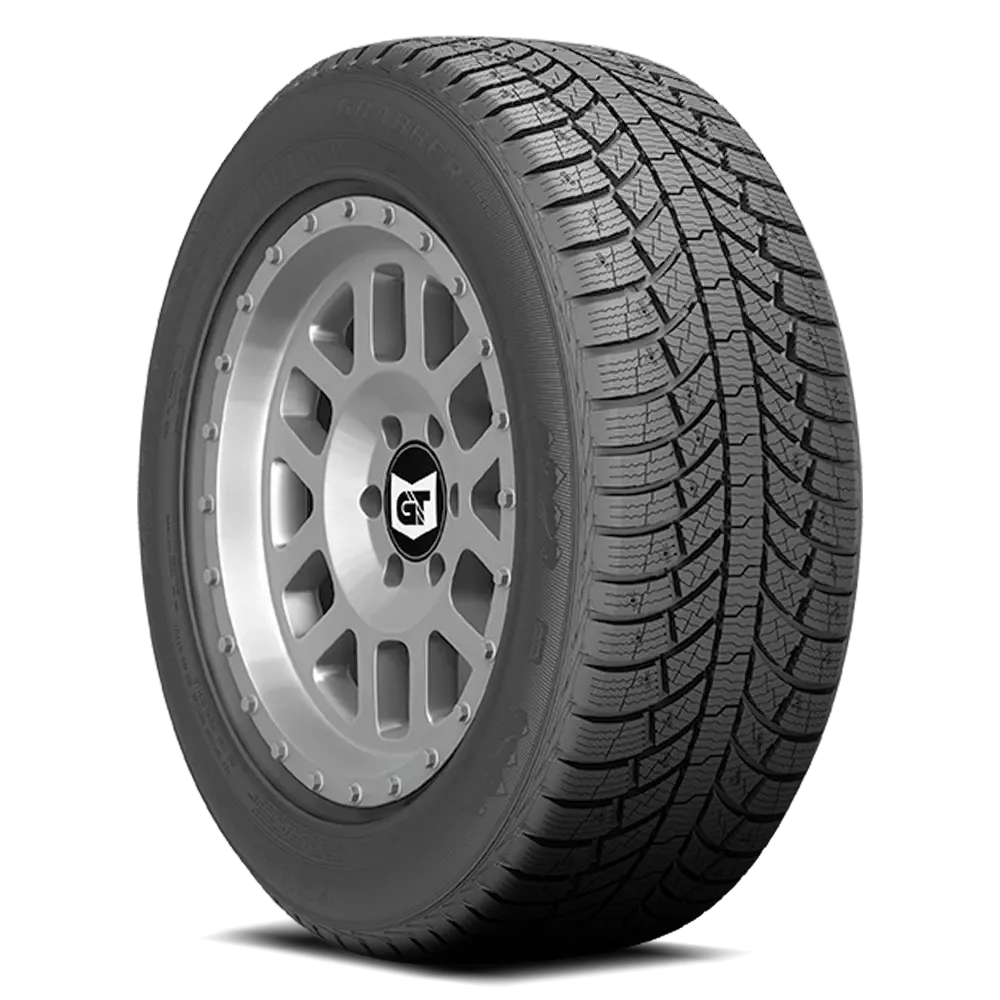

How To Choose Winter Tires?
Find your perfect fit faster—our expert-backed guide helps you choose winter tires that match your driving style & terrain needs.
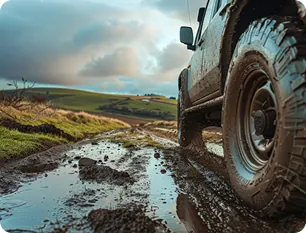
3PMSF Symbol
Never settle for a tire that only says "M+S." Look for the Three-Peak Mountain Snowflake on the sidewall, which guarantees the tire passed standardized testing.
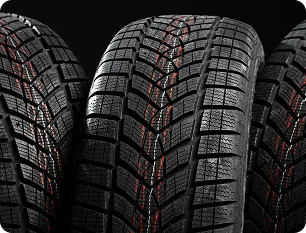
Ice Grip vs. Snow Grip
If your primary concern is "Black Ice," look for the new Ice Grip Symbol. This confirms the tire’s compound is soft enough for the most slippery frozen surfaces.
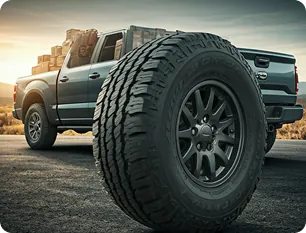
Climate & Temperature
If you regularly drive in temperatures below 45°F or face snow and ice, winter tires are essential for maintaining traction and safety.
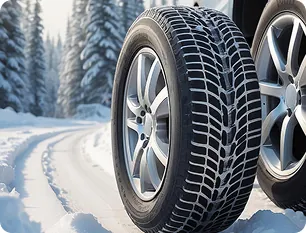
Stud Needs
While studded tires offer the best ice traction, they are restricted in many urban areas due to road wear. Advanced "Studless" compounds now provide nearly 90% of the same performance.
Why Buy Winter Tires from Best Wheels Online?
Winter tires offer shorter stopping distances and better control on icy or snowy roads.

Superior Grip
Winter tires are designed with specialized tread patterns and compounds that provide exceptional traction on snow-covered and icy roads, improving overall driving confidence.

Cold-Weather Rubber Tech
Unlike standard tires, winter tires remain flexible in freezing temperatures, maintaining grip and performance when it matters most.

Shorter Braking Distances
Winter tires can significantly reduce stopping distances on snow and ice, helping improve safety during emergency braking situations.

Certified Winter Performance (3PMSF)
Tires with the 3PMSF symbol are tested and approved for severe snow conditions, ensuring reliable traction and control.

Built for Harsh Conditions
From deep snow to icy highways, winter tires are engineered to handle extreme weather conditions, making them essential for winter driving.

Frequently asked questions
Our Winter Tires FAQ section is designed to strip away the technical jargon and provide clear, actionable answers to the questions that matter most to your build.
While “All-Season” sounds inclusive, the rubber compound is a compromise. Once the temperature drops below 7°C (45°F), all-season rubber becomes hard and brittle, drastically increasing your braking distance. A dedicated winter tire can stop up to 30–40% shorter on ice than an all-season equivalent. For example, the Continental ExtremeContact DWS06 PLUS is an ultra-high-performance all-season line known for reliable cold-weather and light-snow capabilities
On average, a premium winter set will last between 3 to 5 seasons (approximately 20,000–30,000 miles). However, because the rubber is so soft, driving them on warm asphalt (above 10°C) will cause them to wear out significantly faster. Always swap them back as soon as spring arrives.
You must install all four. Mixing tires creates a massive traction imbalance. If you put them only on the front, your rear can swing out (spin); if only on the rear, your car may refuse to turn (understeer). Four matching winter tires ensure the car’s stability systems (ABS/ESP) function correctly.
You should only stud tires that are labeled as “Studdable” and only when they are brand new. Once a tire has been driven on, the stud holes fill with road debris, making it impossible (and unsafe) to seat a stud properly.