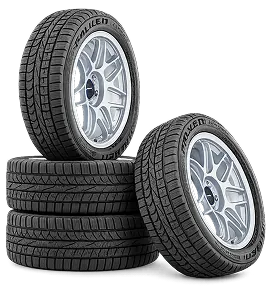
In the world of automotive performance, all-season tires are the masters of the compromise. Designed to handle a broad spectrum of conditions, from the blistering heat of mid-July asphalt to the light slush of an early November morning, these tires are the go-to choice for over 90% of drivers. All-season rubber is engineered to stay on your vehicle year-round, offering a smooth, quiet, and predictable ride regardless of what the forecast says.
We now see “Smart-Compound” technology that adapts its molecular structure to stay flexible in cool temperatures and firm during high-speed summer cruises. At Best Wheels Online, you can explore top brands, compare features, and buy tires online that match your vehicle, driving habits, and budget—quickly and confidently.
Shop All-Season Tires by Driving Style
Explore all-season tires designed to deliver a balanced mix of comfort, traction & year-round performance.
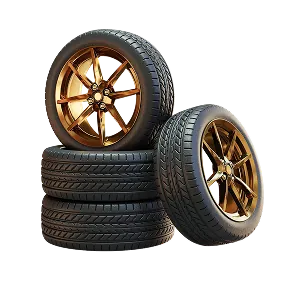
The Luxury Touring Series
These tires are built for those who value cabin serenity and a "cloud-like" ride. They feature intricate tread patterns designed to disrupt sound waves and provide a vibration-free experience.
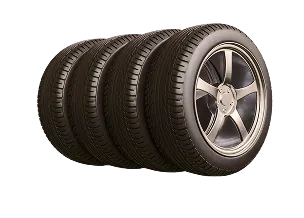
The Ultra-High Performance (UHP) A/S
UHP all-season tires use stiffer sidewalls and silica-enhanced compounds to deliver sports-car handling and cornering grip, even in light snow or heavy rain.
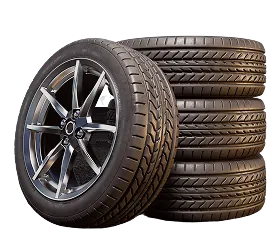
The "All-Weather" Hybrid (3PMSF Rated)
A 2026 industry favorite, these tires have earned the Three-Peak Mountain Snowflake (3PMSF) rating. They stay on all year but provide significantly better traction in deep snow.
All-Season Tires
They are engineered to provide consistent performance across multiple environments, including dry pavement, wet roads, and occasional snow.
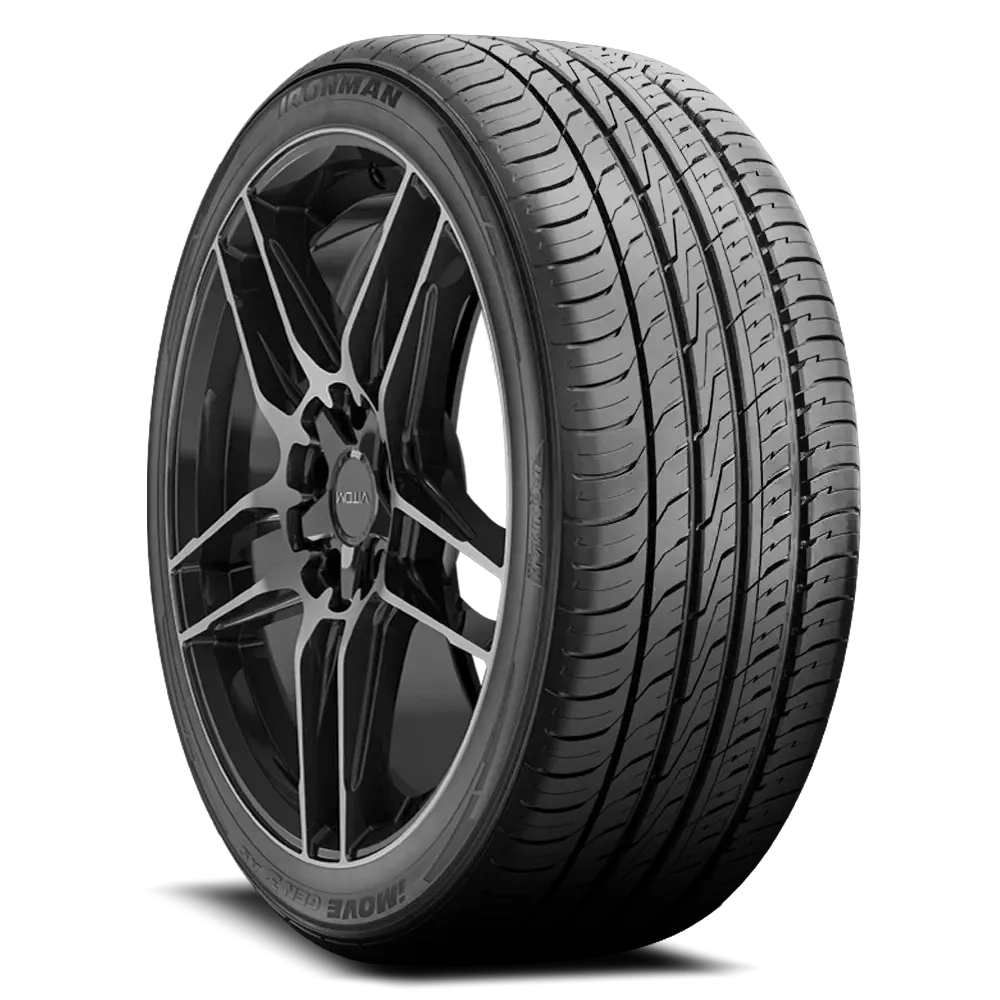


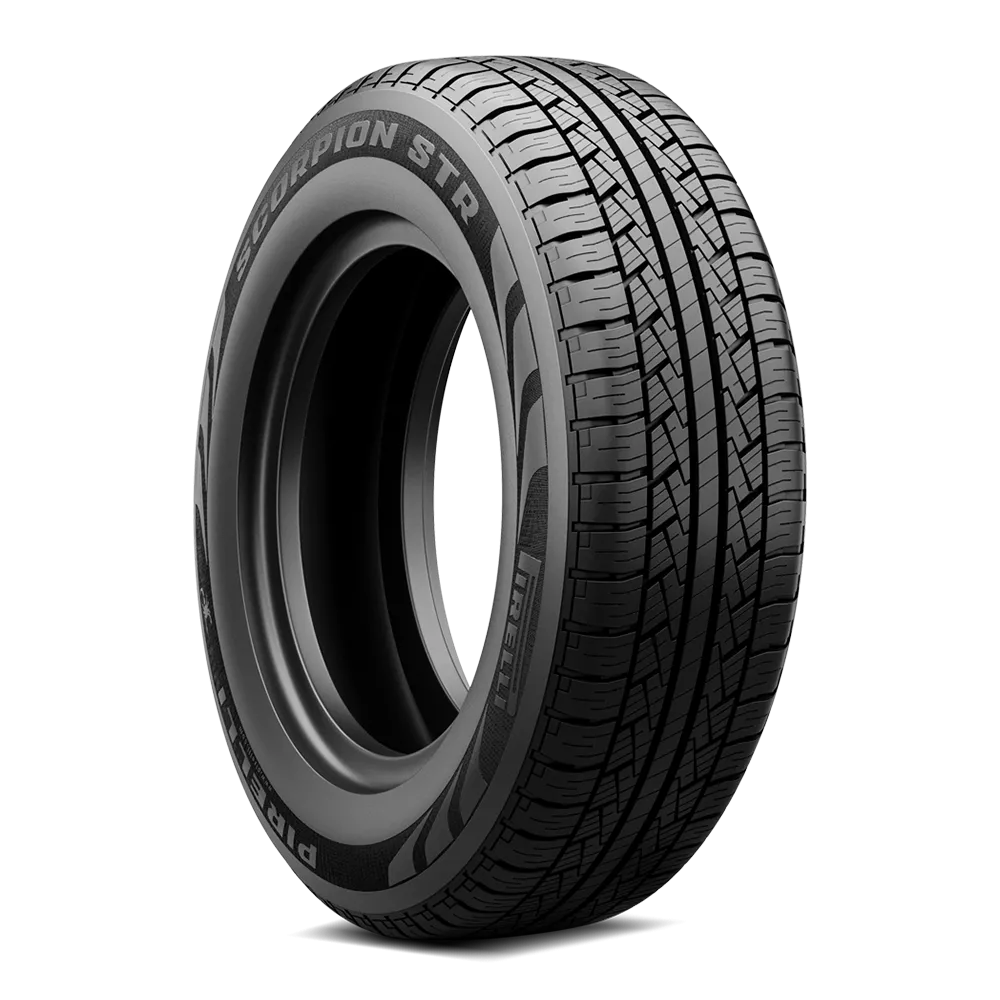

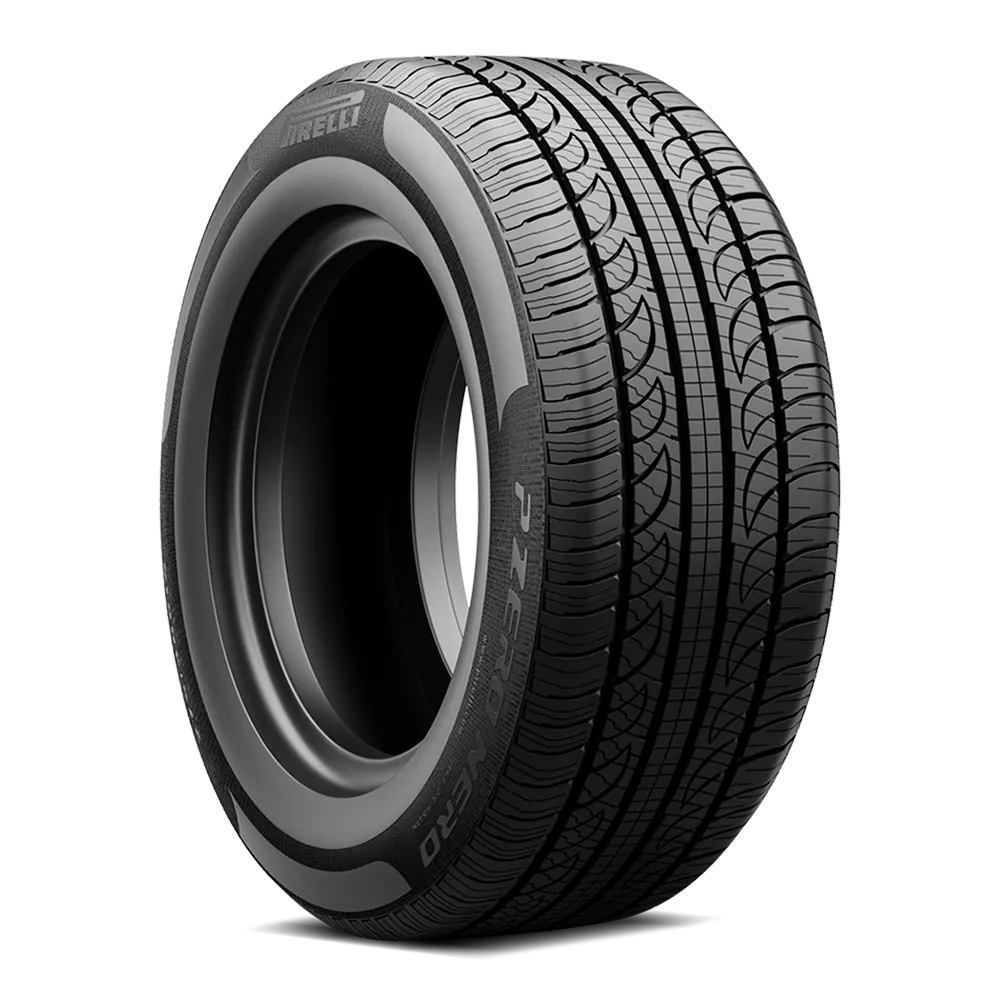
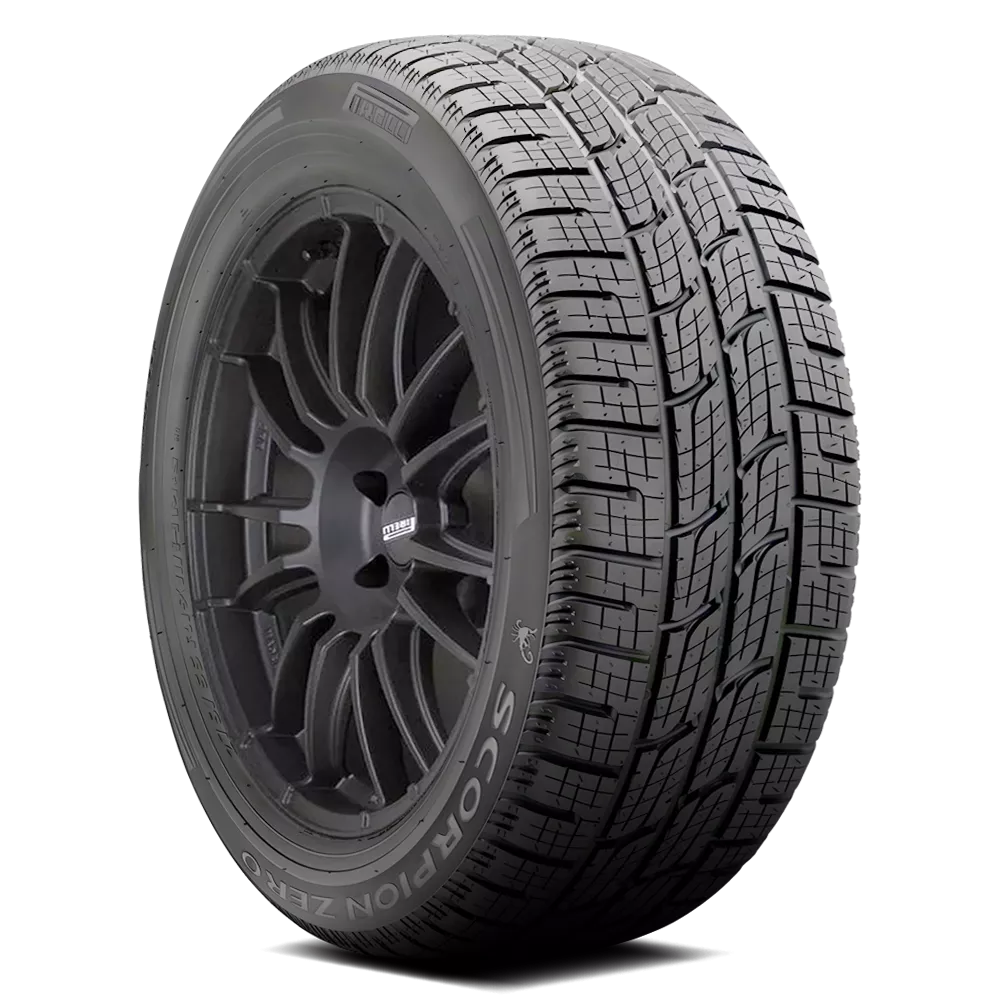
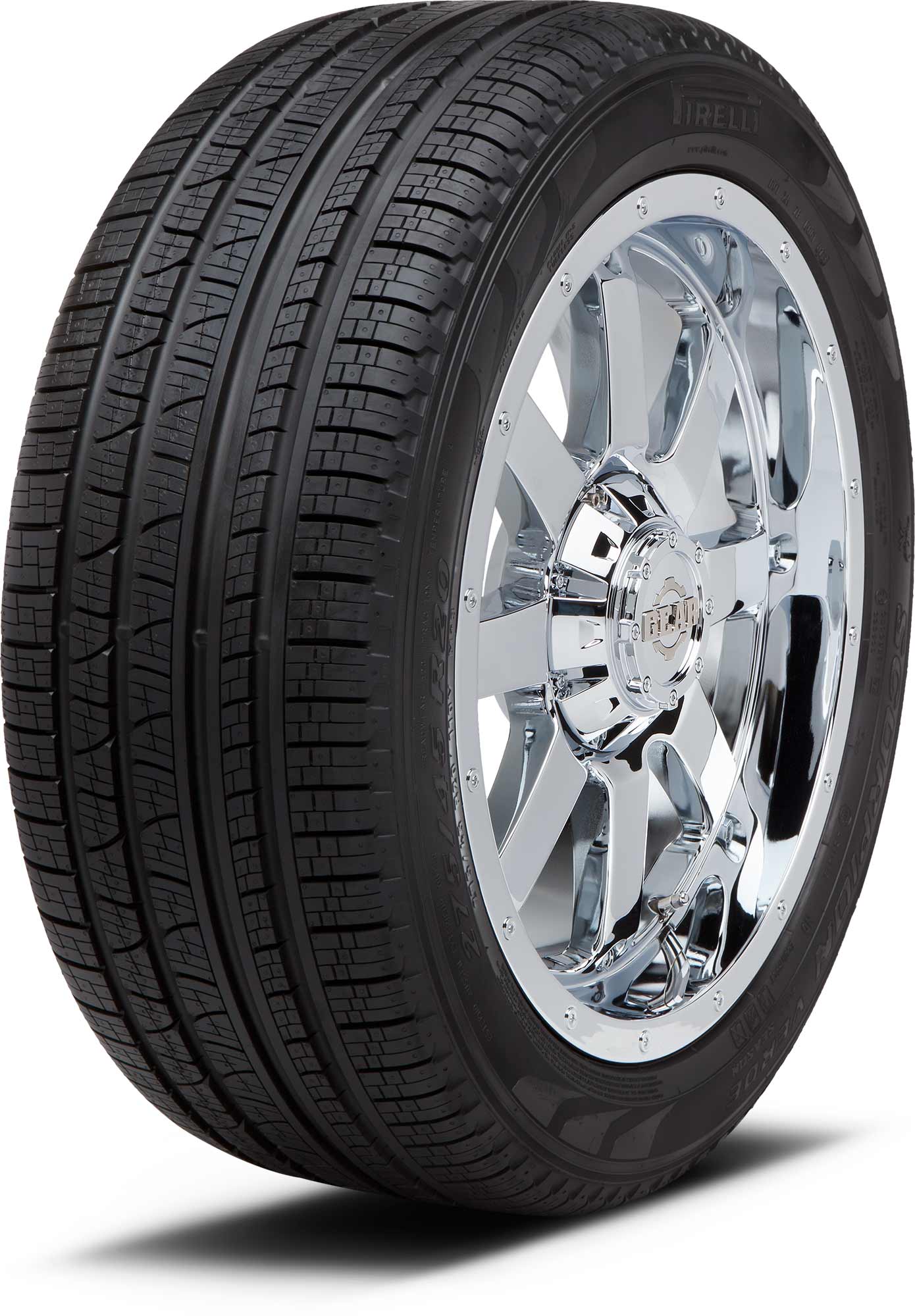
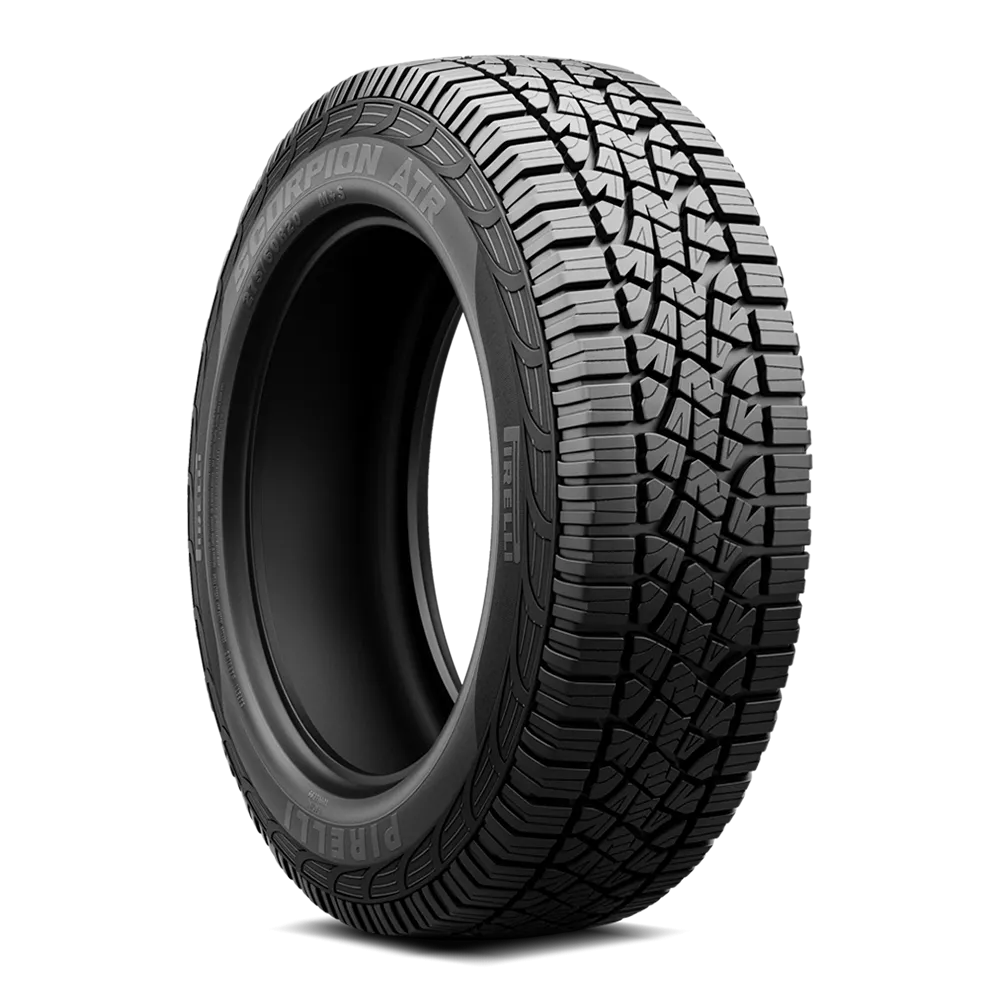
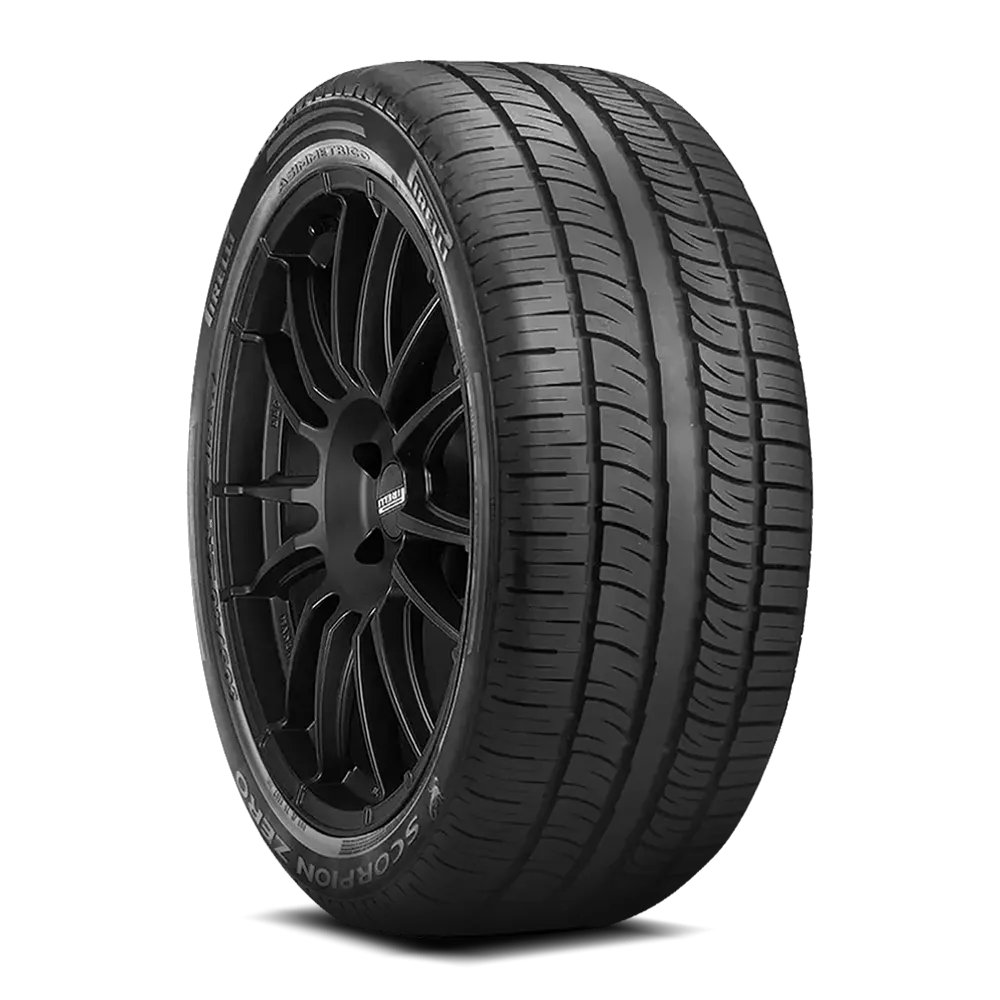
How To Choose All-Season Tires?
Find your perfect fit faster—our expert-backed guide helps you choose all-season tires that match your driving style & terrain needs.

Driving Conditions
Think about where and how you drive. All-season tires are ideal for urban roads, highways, and mild weather conditions, but may not be suitable for heavy snow or off-road use.
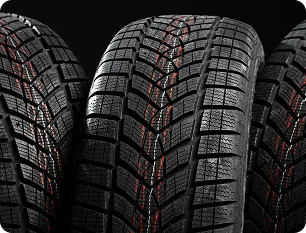
Tread Design
All-season tires feature symmetrical or ribbed tread patterns, which improve road contact, reduce noise, and enhance stability on paved surfaces.
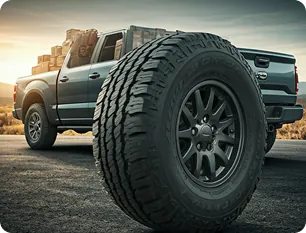
Tread Life & Durability
These tires are designed to last longer due to their harder rubber compound, making them a cost-effective choice for drivers who prioritize longevity and consistent performance.
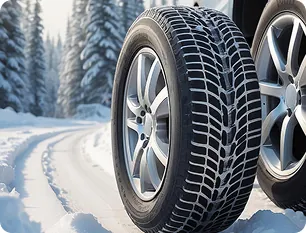
Weather Performance
All-season tires perform well in rain and light snow, but they are not designed for extreme winter conditions. For colder climates, consider upgrading to all-weather or winter tires.
Why Buy All-Season Tires from Best Wheels Online?
Our all-season tires are built for everyday driving, offering smooth handling, long tread life, and reliable traction.

Real-Time 2026 Inventory
We only show you tires that are in stock and ready to ship within 24 hours with improved ride comfort.

Smart-Fit Algorithm
Our system automatically cross-references your vehicle's weight and speed requirements with the tire's load index.

Fuel Efficiency That Saves You More
Our tires are engineered to reduce rolling resistance, helping improve fuel economy and overall driving efficiency.

Long-Lasting Durability
Our tires typically offer longer tread life, making them a cost-effective solution for everyday drivers.

Smooth, Quiet & Comfortable Ride
With optimized tread patterns and lower rolling resistance, these tires provide a quiet driving experience.

Frequently asked questions
Our All-Season Tires FAQ section is designed to strip away the technical jargon and provide clear, actionable answers to the questions that matter most to your build.
While the terms are often used interchangeably, “All-Weather” tires are a specialized sub-category of all-season tires that carry the 3-Peak Mountain Snowflake (3PMSF) symbol. They use a softer rubber compound that remains pliable in temperatures well below freezing, offering much better snow performance than a standard all-season tire.
If you live in a region with consistent ice and deep, unplowed snow, dedicated winter tires are still the safest choice. However, for 2026, high-performance all-weather hybrids like the Nokian Remedy WRG5 have narrowed the gap significantly, making them a viable year-round option for many northern drivers.
To hit that 80,000-mile warranty mark, you must rotate your tires every 5,000 to 7,500 miles. Because all-season tires are used in all temperatures, they are prone to “feathering” or uneven wear if they aren’t moved to different corners of the car regularly.
Yes! In fact, most all-season tires are designed specifically for “Low Rolling Resistance” to help manufacturers meet 2026 fuel economy and EV range standards. Switching from a heavy off-road tire to a touring all-season can often improve your MPG by as much as 5–8%.
We strongly advise against it. Mixing an all-season tire with a winter or summer tire can cause unpredictable handling, especially during emergency braking or sharp turns, as each tire will have a different grip level. Always replace all-season tires in sets of four for balanced safety.